Graffiti Removal With Pressure Cleaning: Risks and Options
Graffiti can be difficult to remove from shopfronts, boundary walls and commercial buildings in Maroochydore. Pressure cleaning is one option, but turning up the pressure is not always the safest or most effective approach. The right treatment depends on the paint, https://finnuoih648.almoheet-travel.com/soft-washing-vs-high-pressure-which-one-do-you-need the surface underneath and how wash water will be collected.
The aim is to remove the graffiti without removing or permanently marking the original surface. That often means combining a suitable cleaning product with controlled rinsing rather than relying on water pressure alone.

When Does Pressure Cleaning Work?
Pressure cleaning can help remove loosened graffiti from sound concrete, brick and some masonry surfaces. Hot-water equipment may improve results on certain coatings, particularly when used with a compatible graffiti remover. However, porous materials can absorb paint deeply, leaving a faint outline known as ghosting.
Painted walls, timber, render and weathered masonry require greater caution. Even concrete can develop visible cleaning stripes or exposed aggregate if the pressure is excessive. There is no single safe pressure setting for every surface: nozzle type, distance, water temperature and surface condition all affect the result.
Main Risks to Consider
- Surface damage: Concentrated jets can strip paint, erode mortar, gouge timber and scar render.
- Water intrusion: Spraying towards cracks, joints, vents or window seals can force water into the building.
- Staining and uneven colour: Paint residue may remain, while cleaning can expose a noticeably brighter patch.
- Chemical damage: An unsuitable remover can soften existing coatings, discolour materials or damage nearby plants.
- Polluted runoff: Wash water can contain paint particles, solvents and other contaminants that require containment and appropriate disposal.
Graffiti Removal Options by Surface
Brick, Concrete and Masonry
A masonry-compatible graffiti remover followed by controlled pressure rinsing is often worth testing. The product needs its specified dwell time, and some products must not dry on the surface. Soft brick, deteriorating mortar and natural stone may require specialist treatment instead. Repeated aggressive cleaning can cause more lasting damage than the graffiti itself.
Painted Walls and Render
Low-pressure cleaning with a compatible product may work, but the original paint can lift or change appearance. Where graffiti has penetrated an existing coating, preparation, a suitable stain-blocking primer and repainting may provide a more consistent finish. Painting an entire wall section to a natural edge can reduce obvious patching.

Metal, Glass and Signage
These surfaces may respond to carefully selected chemical removal without pressure cleaning. Powder coating, window films, acrylic panels and printed signs can be damaged by solvents or abrasive tools. Check the surface manufacturer’s cleaning guidance before treatment.
A Safer Removal Process
- Photograph and assess: Record the graffiti before cleaning and identify the substrate, existing coating and any damage.
- Test discreetly: Treat a small, inconspicuous area and assess it after drying for colour changes, residue or surface damage.
- Protect the surroundings: Isolate the work area, protect electrical fittings and plants, and organise runoff capture before starting.
- Use the least aggressive effective method: Follow product instructions and begin with controlled pressure, a suitable nozzle and adequate stand-off distance.
- Review before repeating: Allow the surface to dry before deciding whether further treatment is worthwhile or likely to cause damage.
Managing Runoff in Maroochydore
Runoff control matters around Maroochydore’s streets, waterways and coastal environments. Do not allow graffiti-removal wash water to enter stormwater drains. Depending on the site, contractors may use drain covers, temporary bunding and wet-vacuum recovery to capture contaminated water.
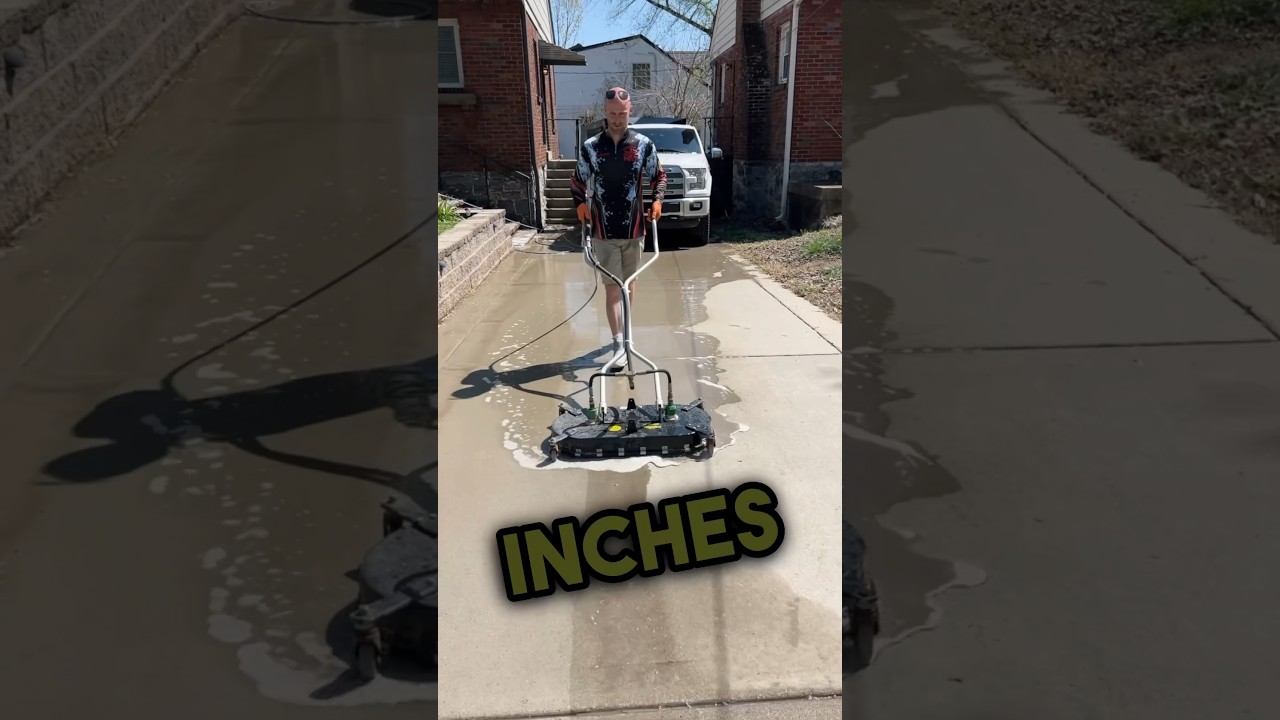
Collected wastewater needs an appropriate disposal pathway; it should not automatically be emptied into a sewer or onto the ground. Confirm current requirements with Sunshine Coast Council and, where relevant, Unitywater. A cleaning product labelled biodegradable does not make paint-contaminated runoff safe for stormwater.
When to Use a Professional
Professional assessment is sensible for large areas, elevated graffiti, delicate surfaces and work beside busy footpaths. Older painted surfaces may also need assessment for lead before disturbance, while suspected asbestos-containing materials must not be pressure cleaned.
When comparing Maroochydore graffiti removal services, ask about test patches, surface-specific methods, public liability insurance and wastewater recovery. A realistic quote should explain whether complete removal is likely and whether repainting could be necessary.
Reducing Future Cleaning Damage
Once the surface is clean and dry, a compatible anti-graffiti coating may make subsequent removal easier. Sacrificial coatings generally need replacement after cleaning, while permanent systems require approved removal products and methods. Check suitability for the substrate, moisture movement and outdoor exposure before application.
Prompt attention can improve removal prospects, but safe preparation matters more than speed. For Maroochydore properties, the best option balances appearance, surface protection and responsible runoff management.
Maroochydore Pressure Cleaning